Logo
Get Estimate

Houston Siding Repair & Installation


If you notice soft, crumbling boards near the ground, paint bubbling every two years, or water stains around your windows after a storm, your siding isn't keeping water out anymore. In Houston's humidity and heavy downpours, a damaged plank lets rain slip straight into your wall cavities, rotting the wood framing and studs long before a leak shows up on your interior drywall. At Standard Roofing, we handle residential siding repairs and complete replacements the right way. Because we work on both roofs and walls, we know how to properly seal the tricky roof-to-wall transitions where most leaks actually start. we help homeowners across Houston replace rotted boards, fix leaking chimneys, and install heavy-duty James Hardie fiber cement that holds up against Texas weather for decades.

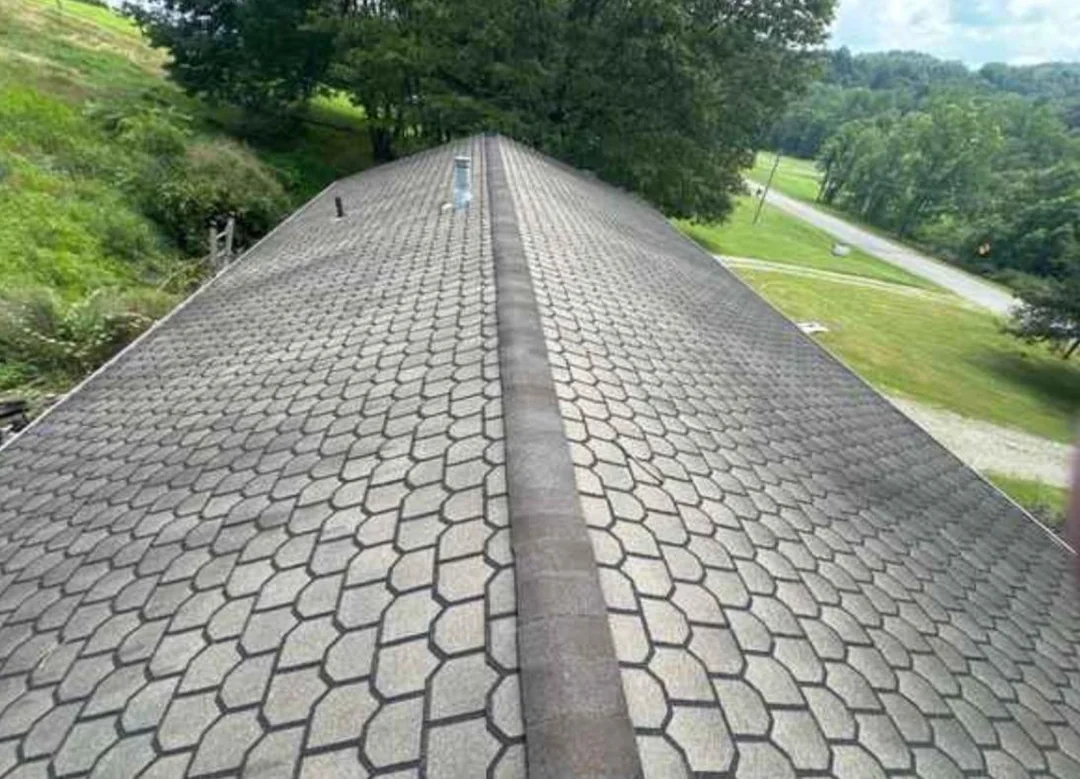
An old rural house with a damaged clay tile roof in Chennai, India, showing signs of decay.

Common Houston Siding Problems We Repair

Most exterior siding issues in our area come down to high humidity, driving rain, and original builder shortcuts. Here are the common problems our crews see and repair across Houston neighborhoods:

01

Missing Kick-Out Flashings (Roof-to-Wall Leaks)

Where your roofline ends against a vertical siding wall, thousands of gallons of rainwater pour down the eave. If the original builder didn't put a metal kick-out diverter flashing at that corner, the water doesn't make it to the gutter it dumps directly behind your siding planks. The boards might look fine from your driveway, but the wood framing behind them is usually soft and rotten.

02

Swollen, Spongy Composite Siding

A lot of older homes in Spring Branch, Kingwood, and Meyerland still have 1980s and 90s pressed-wood siding (like old Masonite or LP). Houston's constant humidity makes the bottom drip edges swell like a sponge. Once moisture gets inside the board, the paint flakes off, the planks buckle, and the wood starts crumbling around the nail heads.

03

Siding Touching the Ground or Roof Shingles

Siding needs room to breathe at least 6 inches off the dirt and 2 inches above your roof shingles. When siding is buried under flowerbed mulch or jammed tight against roof tiles, it constantly sucks up water. That wicking action rots out your bottom wall plates and gives subterranean termites a hidden tunnel straight into your home.

04

Rotted Chimney Chases

Prefab fireplace chimneys take wind and rain from all four sides. When the metal pan on top rusts out or the vertical corner trim splits, water leaks straight into the hollow chase. The siding rots from the inside out, and most homeowners don’t realize there’s a problem until planks start pulling away or water stains appear above the fireplace mantel.

Houston siding repair and James Hardie installation process by Standard Roofing

Our Siding Installation Process

How We Fix & Replace Siding (The Right Way)

We don’t nail new boards over rotten wood, and we don’t cover up water leaks with caulk. If you want siding to last 30 years in Houston, the prep work under the surface is what actually matters:

  • 1. Tear-Off & Checking the Wood Behind

    We pull down the bad siding to inspect the plywood and wall studs underneath. If water has been leaking in and softened the framing, we cut out the rot and replace it with fresh, solid framing lumber before anything else goes up.

  • 2. House Wrap & Taped Seams

    Before a single plank goes on, we wrap the walls in a high-grade moisture barrier and tape every joint. This lets indoor air breathe out while blocking driving rain from ever touching your wood framing.

  • 3. Metal Flashings Over Windows & Rooflines

    This is where most siding fails. We bend and install custom metal Z-flashing above windows and doors, and we put kick-out flashings at roof corners so gutter runoff shoots away from your walls instead of dumping behind the boards.

  • 4. Installing James Hardie® Fiber Cement

    We nail up genuine James Hardie® lap siding and trim using hot-dipped galvanized nails driven right into the studs. Unlike wood or cheap vinyl, it won’t rot, swell from humidity, or warp under our summer sun.

Visual Inspection Checklist

Warning Signs Your Siding Needs Attention

Walk around your house after a heavy rain. If you spot any of these signs, water is already finding its way in:

01

Soft, Spongy Bottom Edges

Push a key or finger into the bottom edge of your boards or corner trim. If it feels soft or crumbles, moisture has ruined the core.

02

Paint Peeling Every 2–3 Years

If fresh paint keeps bubbling or cracking on one wall, trapped moisture inside the board is pushing the paint off from the inside out.

03

Loose Nails & Wavy Boards

When nails start pulling out or planks look warped, the studs behind them are getting wet, softening up, and losing their fastener grip.

04

Swollen Planks Near Flowerbeds

If dirt, mulch, or concrete touches your siding, it wicks water up like a sponge and opens a hidden doorway for termites.

05

Water Stains on Interior Drywall

If paint is bubbling under an exterior window or around a fireplace mantel, exterior siding or wall flashing is usually the real culprit.

Expert Siding Installation & Repair

Why Houston Homeowners Choose Us for Siding

Most siding crews just nail up planks and leave. We approach your siding with a roofer's eye, which means we focus heavily on the areas where water actually tries to sneak into your house.

Hands-On Experience Across Houston Homes

Every neighborhood here has its own quirks, from swollen composite siding on 1980s ranches in Spring Branch to rotted chimney chases. We’ve spent years pulling down bad boards, troubleshooting weird leak paths, and rebuilding exterior walls across Houston neighborhoods. We know exactly what fails in our climate and how to install siding so it holds up for the long haul.

We Understand Where Roofs Meet Walls

The number one leak spot on Houston homes isn't the open wall—it’s where the roof edge hits the siding. Because our crews work on both roofs and walls, we install proper kick-out flashings and metal diverters so rainwater dumps into the gutter, not down inside your wall framing.

We Never Cover Up Hidden Rot

Some contractors will slap new siding right over soft, decaying wood just to finish fast. If we pull a board off and find rotted sheathing or soft studs, we stop, show you what’s going on, and replace the bad wood with solid lumber before we nail up a single piece of siding.

We Install Real James Hardie® Built for Our Climate

We don’t recommend cheap vinyl that warps under 100°F summer heat or press-board that swells up like a sponge in our humidity. We install genuine James Hardie® fiber cement that resists moisture, won't rot, and stops termites dead in their tracks.

Honest Work & Direct Answers

If only your chimney or one weather-beaten wall needs new siding, that is all we’ll quote you for. We’re based right here at 215 Rittenhouse St—you deal with our crew directly, without middleman runarounds or pushy sales reps trying to sell you things you don't need.

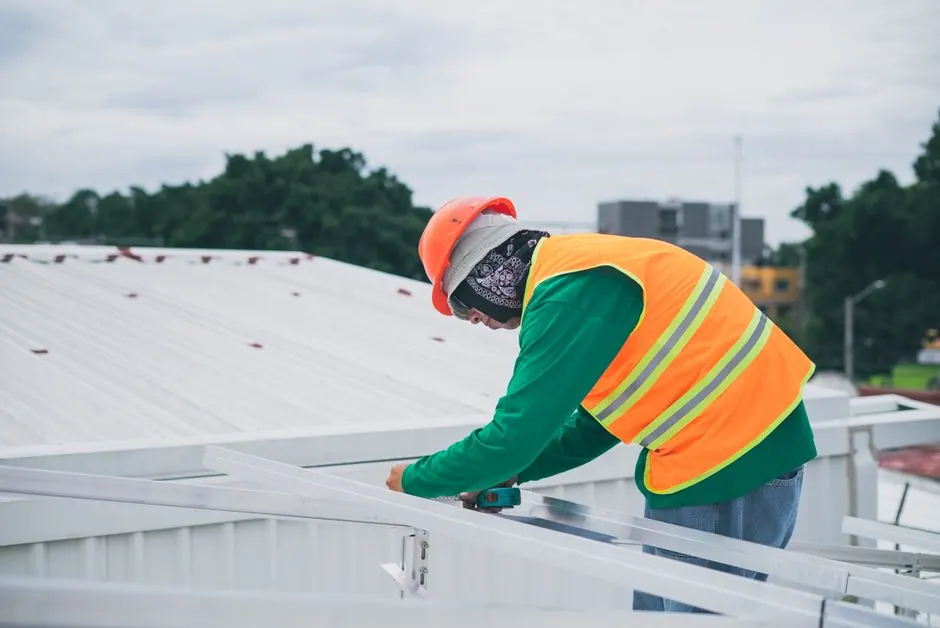
Standard Roofing crew installing James Hardie siding on a Houston home

Our Trust and Proof

Licensed & Certified

  • GAF Master Elite — issued by GAF
  • CertainTeed Select Shingle Master — issued by CertainTeed
  • NRCA Certification — issued by National Roofing Contractors Association

Verified Reviews

Google ★★★★★5.0

Great service! My new roof was installed quickly and looks fantastic. Highly recommend!

Yelp ★★★★★4.9

Professional and efficient. They handled everything from permits to cleanup. Very happy with the results!

BBB ★★★★★4.9

Excellent experience from start to finish. The team was knowledgeable and answered all my questions.

Customer Reviews for Siding Repair & Installation

Real experiences from customers who chose our Roof Replacement services.

“They did an excellent job, professional, on time, and great quality work. Highly recommended for any roofing needs! ”

J

hamza hasan

Homeowner, Houston TX
“Standard Roofing did a fantastic job replacing our roof. They were very professional and efficient. I highly recommend them. ”

M

Biljeet Kaur

Homeowner, Spring Branch

“The roof replacement process was smooth and hassle-free. They kept me informed throughout and delivered on time. Great service!”

D

David R.

Homeowner, Galleria

What Changes the Cost of Siding Repair & Replacement in Houston?

To give you an honest baseline, fixing a small rotted patch or a couple of damaged boards usually lands between $350 and $1,500. If you're looking to strip off aging boards and re-side the whole house with genuine James Hardie® fiber cement, most projects run between $7.00 and $13.00 per square foot of wall space, depending on how much detail work and prep the home needs.

Typical Investment Benchmarks

$350 – $1,500 / $7 – $13 sq. ft.

Targeted spot repairs run $350 to $1,500. Full-home James Hardie® fiber cement installations average $7.00 to $13.00 per square foot of exterior wall space based on scope and structural prep.

5 Factors That Shape Your Siding Estimate

01

Hidden Rot in the Wall Sheathing and Studs

If water has been sneaking behind your siding for years, the plywood sheathing or 2x4 wall studs underneath might be soft like cardboard. Once we pull the old boards off, any decayed structural wood has to be cut out and reframed with solid lumber before new siding can be nailed up.

02

Spot Repair vs. Full James Hardie® Re-Side

Fixing a 10-foot section where a roofline dumps water is a straightforward, budget-friendly half-day job. A whole-home replacement requires setting up full pump-jack scaffolding, pulling city permits, wrapping the entire house in weather barrier, and handling hundreds of heavy fiber cement planks.

03

Trim Details, Windows, and Corner Profiles

Long, flat, unbroken walls go up fast. What takes skilled carpentry time is cutting and flashing around a dozen windows, wrapping exterior doors, installing frieze boards under soffits, and building clean outside corner posts with custom metal Z-flashing.

04

Home Height and Yard Access

A single-story ranch home where our crew can work from step ladders keeps labor simple and fast. A two-story home built on a tight zero-lot line—where we have to maneuver scaffolding between close fences, AC condensers, and backyard landscaping—requires more setup time and specialized safety rigging.

05

Painting and Finishing Requirements

You can choose factory-finished siding (like James Hardie® with ColorPlus® technology) which comes pre-baked with durable color, or primed boards that our painters seal and coat on-site with high-grade exterior paint to match your home's exact color scheme.

Frequently Asked Questions

Real answers to the questions we hear most often from local homeowners and property managers about siding repair and replacement.

How much does it cost to repair one piece of siding?
For a single damaged plank or a short piece of rotted corner trim, you can generally expect to pay between $250 and $550. Even though a new board itself is relatively inexpensive, the real cost comes down to trip charges, carefully cutting away the broken piece without cracking surrounding boards, flashing behind it, and sealing the joints watertight.
Can you replace just a few pieces of siding?
Yes, we do targeted spot repairs all the time. If the wood sheathing behind the wall is still dry and solid, we can pull out just the cracked or rotted planks and slide in new James Hardie® boards. We match the reveal, prime the cuts, and caulk the seams so the repair blends in cleanly with the rest of your exterior.
Do I need a permit to replace siding in Texas?
In Texas, permitting depends on your specific city and the scope of work. Across the City of Houston and most surrounding Harris County municipalities, spot repairs of a few planks don't require a permit. However, if you are doing a full re-side or replacing exterior structural sheathing and framing, the city does require a residential building permit, which we pull and manage directly.
Can you repair damaged siding, or does it always have to be replaced?
It depends on the material and how deep the damage goes. Small surface cracks, loose nails, or hairline gaps can often be sealed with high-grade elastomeric sealant and repainted. But if the board is swollen, soft to the touch, or crumbling from rot, patch putty won't hold up in our humidity—that damaged section has to be cut out and replaced with fresh material.
Can you fix my rotted chimney without re-siding the whole house?
Yes. Fireplace chimney chases are separate structures that catch driving rain from all four sides, so they almost always rot out before the rest of the house. We can strip off just the rotted chimney boards, replace any soft 2x4 framing or plywood inside, install new weather wrap, and hang fresh fiber cement siding matched to your existing walls.
Is fiber cement really that much better than vinyl siding in Houston?
Without question. Thin vinyl siding expands and warps under 100°F summer days, can melt from window sun reflections, and turns brittle over time. James Hardie® fiber cement is engineered specifically for humid, stormy climates—it won't warp, doesn't rot, won't burn, and subterranean termites can't eat through it.

Contact Our Roofing Experts

We invite you to reach out for all your roofing needs. Our team is available Monday to Friday, ready to assist you with prompt responses.

Or call us right now at (713) 347-3802 — we answer.

spphire smiles dentistry


  • Address

    215 Rittenhouse St Unit E, Houston, TX 77076, United States, Houston, Texas

  • Hours

    Mon–Fri: 7AM – 7PM
    Sat: 8AM – 4PM
    Sun: Emergency Only
    24/7 Emergency Available