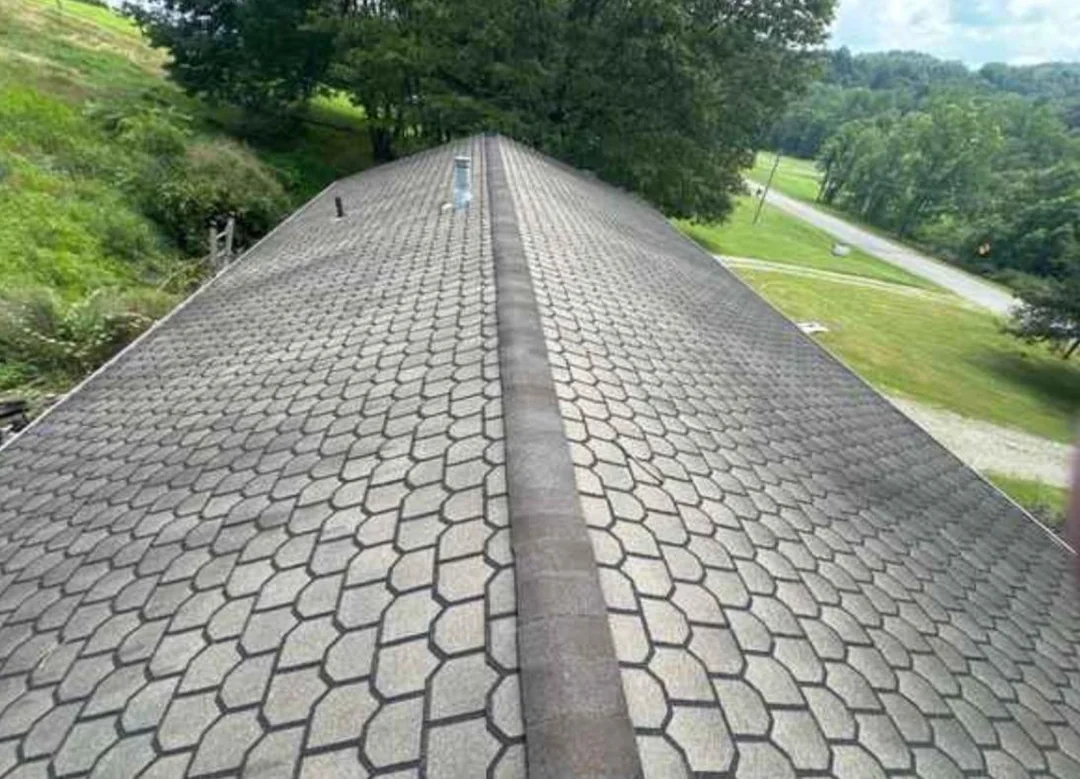
Houston Roofing Materials
Choosing a Roofing Material That Fits Your Houston Home
The right roofing material is not simply the one that looks best or costs
the least. In Houston, the roof also has to deal with intense heat, heavy
rain, humidity, strong winds, hail, and sudden storms. The roof's pitch,
drainage, ventilation, structure, existing materials, and the way the
property is built all affect which roofing system makes sense.
01
Architectural Shingles
Architectural shingles are a practical option for many pitched Houston
homes. They can work well when the roof has proper drainage, sound
decking, suitable ventilation, and correctly installed flashing.
Good fit when:
The home has a conventional pitched roof and the existing roof
structure and drainage support a shingle system.
02
Premium Shingles
Premium shingles can provide a different appearance and product
specification, but choosing a higher-priced shingle does not automatically
make it the right roof for a property. The product still has to match the
roof design and be installed according to its requirements.
Good fit when:
The homeowner wants an upgraded shingle product and the roof design,
installation details, and overall project scope support it.
03
Standing-Seam Metal
Metal roofing requires careful planning around roof penetrations,
valleys, edges, transitions, and panel layout. Houston's heat, rain,
wind, and storm exposure make those installation details just as
important as the metal itself.
Good fit when:
The roof geometry and property are suitable for a metal system and
the homeowner is planning for a longer-term roofing investment.
04
Tile Roofing
Tile can be appropriate for certain Houston properties, but the roof
structure, flashing, underlayment, access, and installation requirements
need to be considered before selecting it. Tile also requires planning
for individual pieces that may be damaged during severe weather or
future work.
Good fit when:
The structure and roof design can support the system and the required
installation details are properly planned.
05
Flat & Low-Slope Membrane
Flat and low-slope roofs have different water-shedding requirements
from steep residential roofs. Membrane selection, seams, penetrations,
edge details, drainage, and areas where water may collect all need to
be considered together.
Good fit when:
The roof has a low slope or flat area where a properly designed
membrane system is more appropriate than conventional shingles.
06
Built Around Houston Weather
Houston weather can expose weak points that are easy to overlook.
Heavy rain tests drainage and flashing, intense heat accelerates
weathering, humidity makes attic ventilation and moisture control
important, while hail and high winds can damage roofing materials
and exposed roof details.
What we look at:
Roof pitch, drainage, flashing, ventilation, penetrations, roof
edges, storm exposure, existing materials, and the condition of
the roof deck before recommending a system.
Our Approach
We Match the Material to the Roof, Not Just the Preference
Before recommending a roofing material, Standard Roofing looks at what
the property actually requires. We consider the existing roof condition,
pitch, drainage, decking, flashing, ventilation, penetrations, weather
exposure, appearance, budget, and how long you expect to keep the
property. That helps separate a material that simply sounds good from
one that is actually appropriate for the roof.
If a conventional shingle system is suitable, we explain why. If the
roof's design points toward metal, tile, or a membrane system, we explain
the additional considerations before you make a decision. The material
is only one part of the roof—the installation details underneath and
around it are what help the complete system handle Houston weather.